Bereavement and Probate House Clearance After a Death
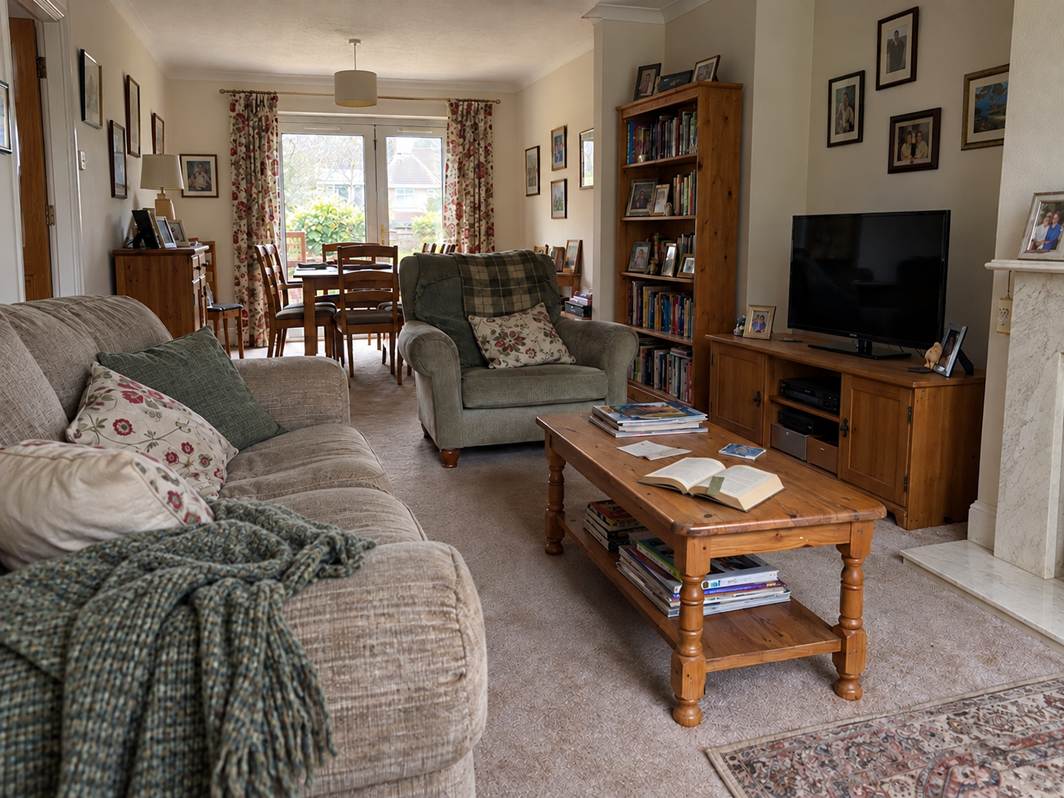
When someone dies, their house is probably the last big job on a very long, very draining list. The funeral’s done, the paperwork’s underway, but there’s still a home full of furniture, clothes, post and forty years’ worth of belongings in kitchen drawers to deal with, usually around work and family.
We know that most people in this position are eager to have the admin over and done with without too much fanfare so that they can grieve on their own time and terms. Thankfully, if your loved one owned their home, there’s usually no deadline for a house clearance after a death. Anything of value stays put until the executor agrees to its removal and the contents have been valued for probate. After that, it’s up to the family to take things at their own pace.
How long do you have to clear a house after someone dies?
For a home the person owned, no law says it has to be empty by a set date. The pressure instead comes from wanting to make a sale, or the worry of a property left empty.
Rented homes work differently. A council or housing association tenancy ends once notice is given, so ask Bristol City Council or the housing association how long you have. For a private rental, check the landlord’s notice period. Rent until then normally comes from the estate, not the family, unless someone was a joint tenant.
Either way, tell the home insurer the house is empty, as many policies cut back cover once a property has been unoccupied for a month or two.
Can you clear a house before probate?
Probate is the legal right to deal with someone’s money, property and possessions (their estate). The executor named in the will applies for it (or a close relative if there is no will), and they carry the legal responsibilities for the estate. Nothing should leave the house without their agreement. Not every estate needs probate, for example if the person only had savings, but whoever is dealing with it should still agree before anything goes.
Before probate is granted, you can still lock up, empty the fridge, clear out rubbish and gather paperwork and valuables. Hold off on removing items to sell or give away until probate has been granted. The will might leave certain things to certain people, and anything of value has to be counted in the estate first.
Taking a few sentimental items early, like photos or a favourite cardigan, is common. Just agree this with the executor and the family first.
How are house contents valued for probate?
GOV.UK’s guidance is to value household items at what they would sell for, and online marketplaces are a fair guide. There’s no average value of house contents for probate, and everyday furniture usually fetches very little second-hand. Have jewellery, antiques, paintings and collections valued by an auction house or specialist. If the estate needs a full inheritance tax account, household goods are listed on form IHT407.
Find the paperwork before you start packing bags
Documents and valuables turn up in odd places: handbags, coat pockets, biscuit tins, the pages of books. Check everything before it’s bagged up, and look out for:
- The will, if a solicitor doesn’t already hold it
- Bank statements, pension letters and share certificates
- Property deeds and mortgage paperwork
- Insurance policies
- Passport, driving licence, and birth and marriage certificates
- Cash, jewellery, photos and letters
Keep it all in one box and take it home. You’ll need some of it for Tell Us Once, which lets you report the death to most government departments in one go.
Sorting through a loved one’s belongings
Going through the belongings of someone who has passed away is a difficult experience for most. A shopping list in their handwriting or their glasses left on the side can stop you in your tracks. Take as much time as you need to work through their things and the feelings that come up.
Of course, you should approach this in whatever way feels best for you, but our suggestion is to start with a room that holds fewer memories, like a spare room or garage. That can help you get into a rhythm and make a start before you get to the rooms that hold the most memories. Sort belongings as you go by dividing them into what family members are keeping, what’s going to charity, what can be sold, and what’s for the tip.
For anything you’re not keeping, our guide to getting rid of unwanted items sustainably covers where it can go, from local charity shops to recycling, shelters and refuges.
Keep in mind that you don’t have to get the whole house done in one visit, and you don’t have to decide everything on your own. If you’re not ready to choose what happens to a wedding dress or a box of letters, set it aside for now. And if it gets too much, message a sympathetic friend or loved one, or call Cruse Bereavement Support‘s free helpline on 0808 808 1677.
Who pays for a probate house clearance?
The cost of clearing the house is normally paid from the estate, as long as there’s enough money in it. Ask the clearance company for an itemised invoice addressed to the executor, so it can be paid from the estate or claimed back if you’ve covered it yourself. Our guide to how house clearance works explains what affects the price.
When to bring in a bereavement clearance service
Lots of families clear the house themselves. Others live too far away, are up against a sale date, or don’t want the stress and grief of weekends spent emptying their loved one’s home.
If you do bring someone in to help with house clearance, check them on the public register of waste carriers before you book. If an unregistered firm fly-tips the contents, it can come back on you.
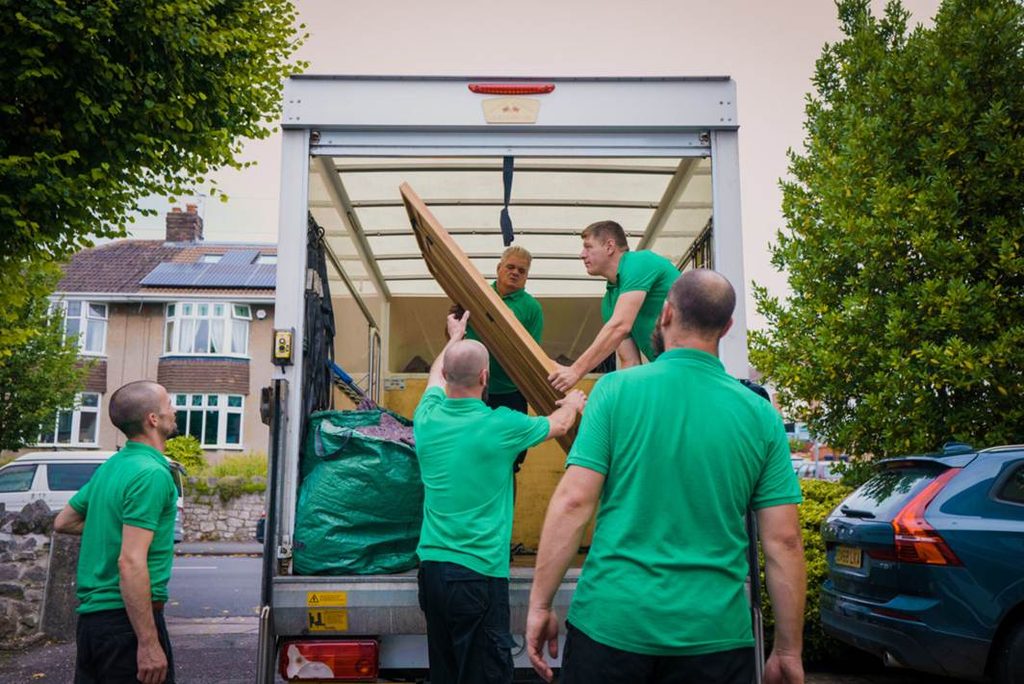
We’ve been carrying out house clearances in Bristol for nearly two decades, often following a bereavement. Show us what you want to keep and what you want cleared out, and our friendly and respectful team will handle the rest. As fully insured, registered waste carriers, we deal with everything as sustainably as we can, donating items to the local community or recycling through the correct route.
If it helps, we can also clean the property ready for sale or handover, and store furniture the family is keeping while the estate is settled.
Whenever you’re ready, we’ll put together a fixed quote for you. Fill out our quote form, email us at [email protected], or call us on 0117 902 5985 to talk through where to start.