How to (Sustainably) Get Rid of Unwanted Items After a Clear Out

You’ve done the hard part. You’ve finally admitted that you’re never going to wear those jeans from 2019, the “maybe” pile has finally become a firm “no”, and you can see your kitchen worktop again. Lovely.
Then you look at the bags teetering by the door and think, “right… where does all this actually go?”
Luckily for the planet, you’d be surprised how much you can avoid turning taking to the tip. So, whether you’re decluttering before a move, or just having a spring clean, here’s how to responsibly dispose of things, keep it eco friendly, and save money at the same time.
Where should you take items in good condition?
If something still works, fits, or looks presentable, there’s almost always someone who’ll be glad to take it off your hands.
Charity shops
Donating to charity is the obvious first stop. Most have drop-off points, and some offer collection services for larger items.
To save the volunteers a job, make sure you clean items, first, and bag them by type if you can. It’s also worth giving them a quick ring if you’re planning to drop off a lot. Some branches have limited space, and you don’t want to lug three boxes of bric-a-brac across town just to be told they’re full.
Lastly, be aware that most shops can’t accept electricals unless they’ve been PAT tested, and there are fire safety label rules they have to follow.
Community groups and buy-nothing schemes
Local community groups, Freecycle, Facebook Marketplace, and buy-nothing pages are brilliant for anything the charity shops can’t take. Bits like lamps and humidifiers can be gone the same day. You won’t have to worry about whether a shop has space out back, but you will need to arrange collection times.
To avoid it turning into weeks of back-and-forth messages, make sure you include all of the info someone might need in the listing, including measurements. And be honest about the condition.
Shelters, women’s refuges, and community centres
If you have spare essentials like bedding, towels, warm clothing, and toiletries, these places will often be grateful to take them off your hands directly. Just make sure to ring ahead and check they can accept it.
Libraries of Things
Libraries of Things are a nifty concept. Picture a normal library, but instead of books you can borrow… well, pretty much anything. Drills, carpet cleaners, folding beds, sewing machines, and the list goes on. If someone can get temporary use out of it, a Library of Things will accept it. It helps keep items in circulation, and everyone saves money on things that would normally gather dust.
What should you do with things that are broken or past their best?
Just because something’s worn out doesn’t mean it needs a trip to the tip. A lot of materials can still be recycled or repurposed if you know where to take them.
Textiles and clothing
Not everything is nice enough to donate items to a charity shop, and that’s alright. Ripped jeans, odd socks, and threadbare towels can all be recycled through textile banks. Most supermarket car parks have them, and they accept items regardless of condition. The fabric gets sorted and either turned into industrial rags or broken down for new materials.
Electrical items and batteries
Electrical items should never go in the household bin. They can cause fires when they get crushed in waste processing. You can read more about how to safely dispose of these things here, but most councils run collection services for electricals, and many supermarkets have drop-off points.
Larger electricals like washing machines can be collected by your local council for a small fee. Some retailers also offer a take-back service when you buy a replacement.
Furniture that’s seen better days
If the chair is wobbling beyond repair or the wardrobe is held together by hope and a screw, it’s time to let them go. Council bulky waste collection is your best bet for bits like this, but it costs £20-£40 for a few items, depending on your council.
Some recycling centres will take wooden furniture and metal frames to process or recycle as scrap. Try calling your local one and seeing what they can take off your hands.
How do you handle a big clear out without a car?
Not everyone has access to a car or the time to make multiple trip tips.
If you are clearing a whole house following bereavement, don’t have the physical capacity to move heavy furniture around, or you just need a bit taken off your plate, a house clearance service makes life a lot easier.
You’ll get a professional team at your door who will take care of everything you’ve marked for disposal, and sort it responsibly. Anything that can be donated will be, recyclables go to the responsible place, and the rest is properly disposed of.
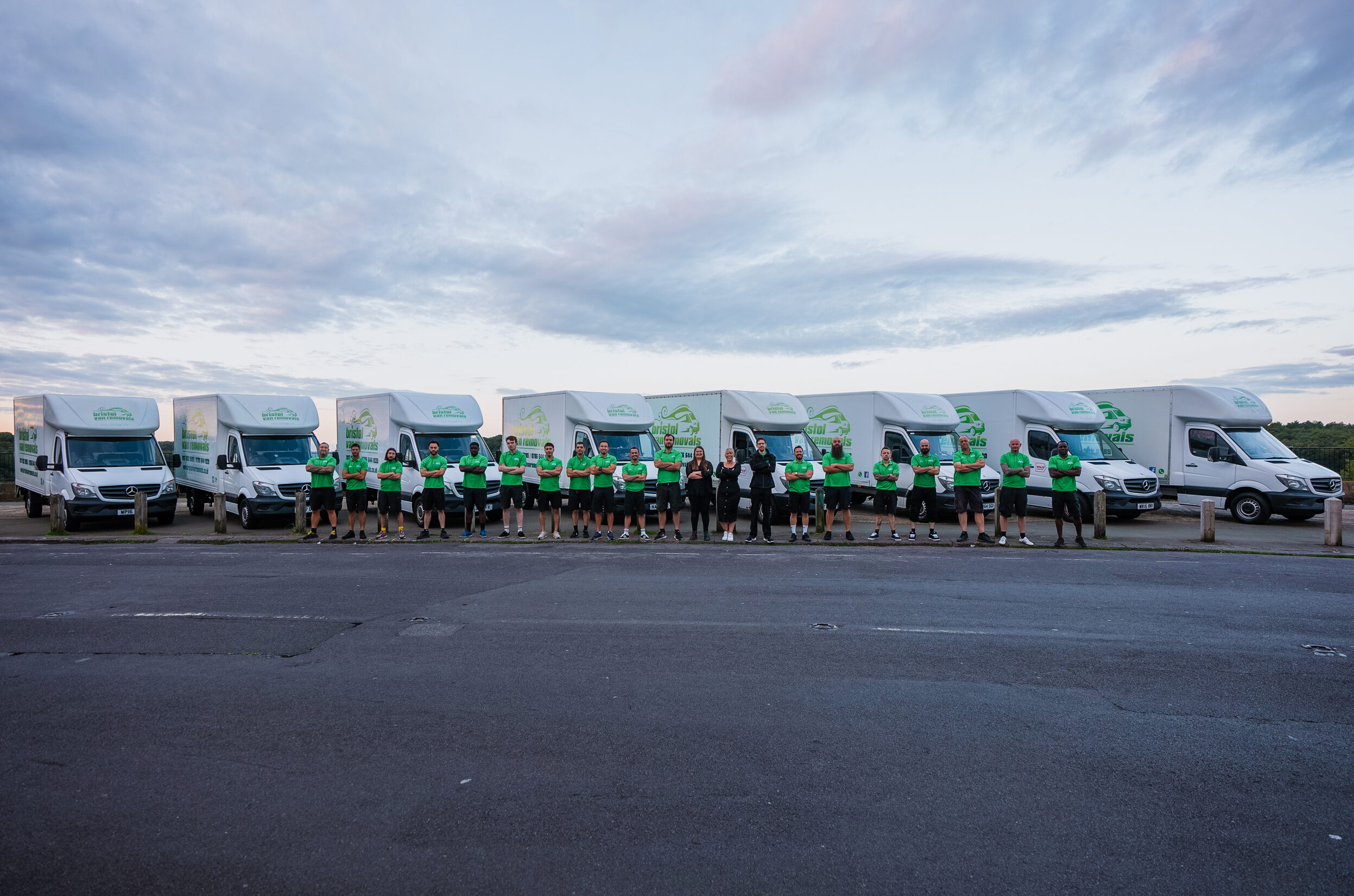
We’ve been handling clearances for nearly two decades, and are the trusted choice in Bristol. Get in touch at [email protected] or 01179025985 for a free quote, or just some advice. And if you’re moving out, we can bundle cleaning, packing, or removal services in as well, so you can get from house to house without lifting a finger.
Is it worth selling items instead of donating them?
If you’ve got time and some of your items have decent resale value, selling can help offset the other moving or disposal costs. Designer clothing, working electronics, quality furniture, and collectables tend to be sold quickly on eBay, Vinted, or Facebook Marketplace.
But on the flip side, it can be a faff. You’ve got to photograph things, write descriptions, answer questions, and arrange collections. If an item is only worth £5, you may as well save yourself the hassle. And be realistic about what you can get for it. That IKEA bookshelf might have cost £80 new, but if there are a dozen others listed locally for £20, that’s the market.
What can’t be donated or recycled?
Most things can find a home somewhere, but some things genuinely do need to be binned, including anything that is:
- Mouldy, damp, or pest-damaged
- Heavily stained or unclean
- Broken in an unsafe way
- Used cosmetics and toiletries
- Sharp
Also, hazardous waste like paint, chemicals, and some DIY or craft waste are unsafe to throw in any old bin and will need special handling through your local recycling centre.
Making space, not waste
The goal isn’t perfection. It’s just to make good choices without bending over backwards or overcomplicating things. With a bit of recycling or donating, you can clear your space, help others, and keep perfectly good stuff out of landfill.
If you’re decluttering before a move, accounting for disposal early in your timeline avoids rushed decisions and defaulting to easy (but unsustainable) options. But if the whole thing has gotten away from you and you’re feeling overwhelmed, that’s when to call in an extra pair of hands.
Whether it’s clearance, cleaning, packing, or removals, we can do it all at a competitive cost. Get in touch today for a free quote, and save your weekend from trip tips and charity runs.